What is the relationship between neodymium magnets and 5G technology?

     With the rapid adoption of 5G technology, the global telecommunications industry is undergoing a revolutionary transformation. In this transformation, neodymium magnets (NdFeB magnets), as high-performance permanent magnetic materials, play an indispensable role. Although neodymium magnets are not visible in 5G devices, they are a critical component ensuring the efficient operation of communication equipment.  
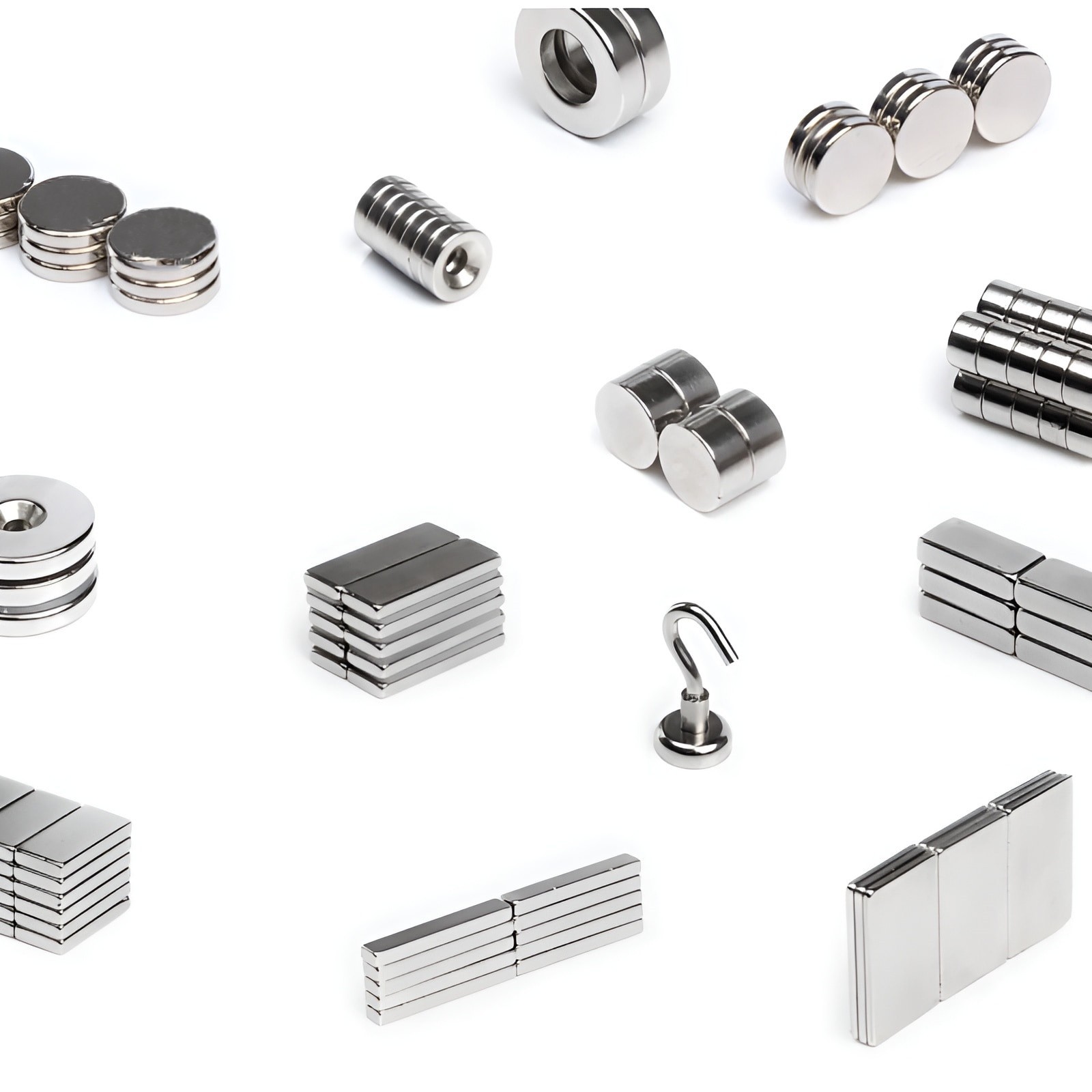
 

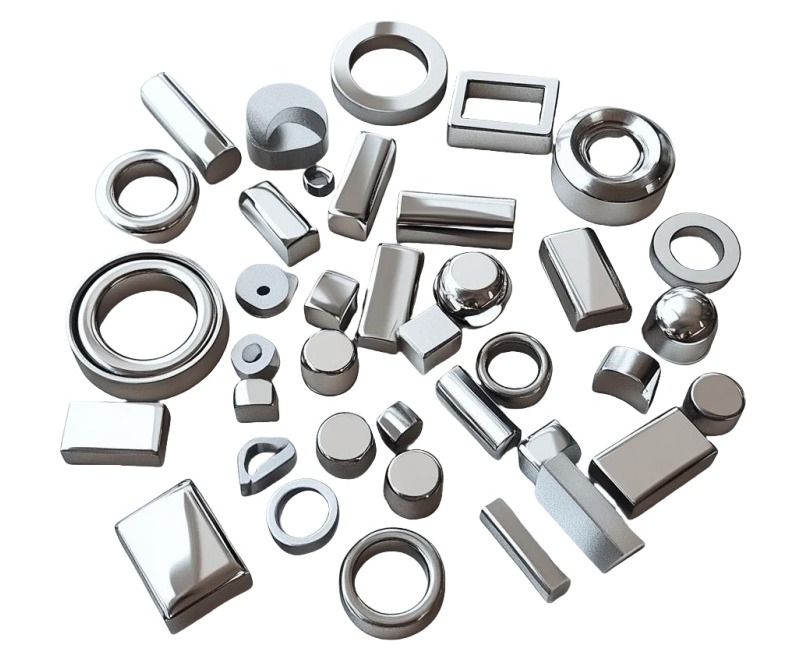
Customized neodymium magnets


Neodymium Magnets in 5G Base Stations


     5G base stations are the core infrastructure of 5G networks, and their performance directly determines network coverage and transmission speed. Great performance neodymium magnets play a vital role in the antenna systems and motors of 5G base stations:  

- Antenna Adjustment Motors: Base station antennas require high-precision and stable motors to adjust their direction, ensuring optimal signal transmission. Neodymium magnets, with their high magnetic energy product and excellent temperature stability, are the ideal choice for these motors.  

- Filters and Oscillators: Neodymium magnets are also used in filters and oscillators within base stations, components crucial for signal purity and stability.  


The Key Role of Neodymium Magnets in Smartphones


     5G smartphones are the primary devices through which users interact with 5G networks, and high quality neodymium magnets play a significant role here as well:  

- Antenna Modules: 5G phones have more antennas than 4G devices and require higher precision to support multi-band signal transmission. Neodymium magnets, with their compact size and high efficiency, meet these demanding requirements.  

- Speakers and Vibration Motors: Smartphone speakers and vibration motors also rely on neodymium magnets to deliver stronger performance and lower energy consumption, enhancing the user experience.  
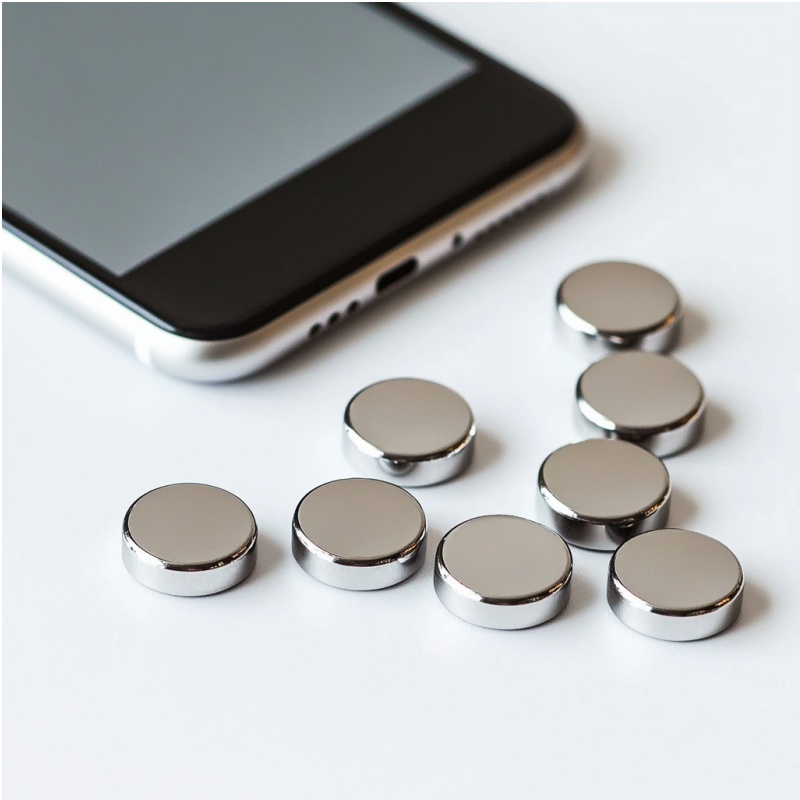
 

Neodymium Magnets for Smartphones


Other Applications of Neodymium Magnets in Communication Equipment


     Beyond base stations and smartphones, neodymium magnets are widely used in other 5G communication equipment:  

- Fiber Optic Communication Systems: Optical isolators and circulators use neodymium magnets to ensure one-way transmission of light signals, improving communication stability and efficiency.  

- Small Cells and Distributed Antenna Systems (DAS): Small cells and DAS in 5G networks also require neodymium magnets to support their efficient operation.  


How 5G Technology Drives Demand for Neodymium Magnets


     The rapid development of 5G technology has significantly impacted the demand for neodymium magnets:  

- Base Station Construction: The number of 5G base stations worldwide is expected to grow substantially in the coming years, directly driving demand for neodymium magnets.  

- Proliferation of End Devices: As 5G smartphones and other end devices become more widespread, the neodymium magnets market will continue to expand.  

- Supply Chain Challenges: The production of neodymium magnets relies on rare earth resources, particularly neodymium and praseodymium, making the stability of their supply chain a critical concern for the industry.  
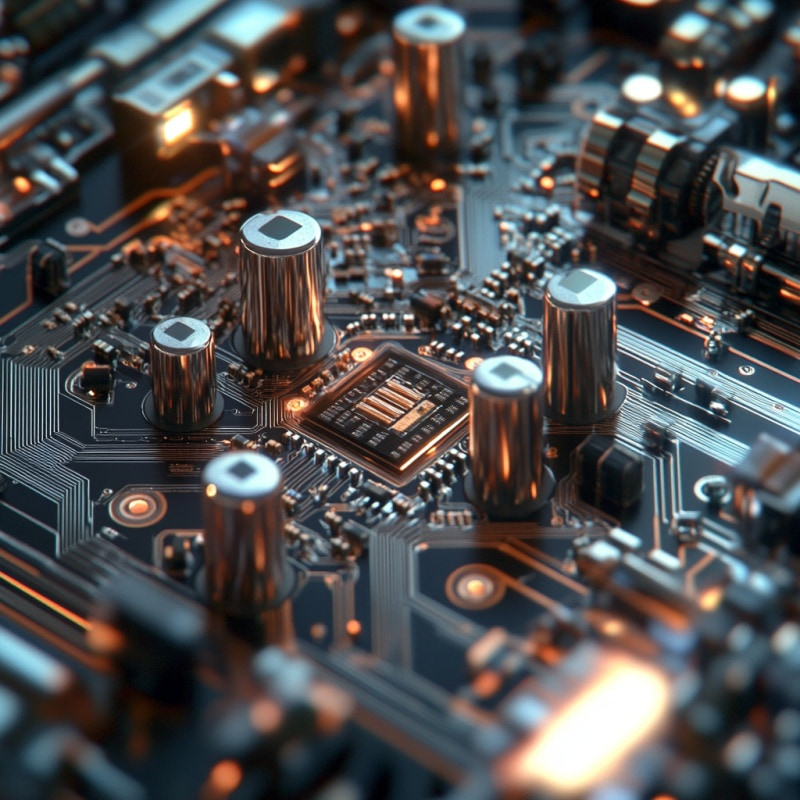
 

Cylinder neodymium magnets in circuits


Future Outlook


     As 5G technology continues to evolve, the applications of neodymium magnets in communication equipment will become even more extensive:  

- 6G Technology: Research into 6G technology has already begun, and neodymium magnets are expected to play a greater role in higher frequency bands and more complex technical scenarios.  

- Sustainability: With the increasing scarcity of rare earth resources, recycling neodymium magnets and researching alternative materials will become important future directions.  
 

READ MORE >

What Makes Neodymium Magnets the Secret Sauce Behind Drone Technology?

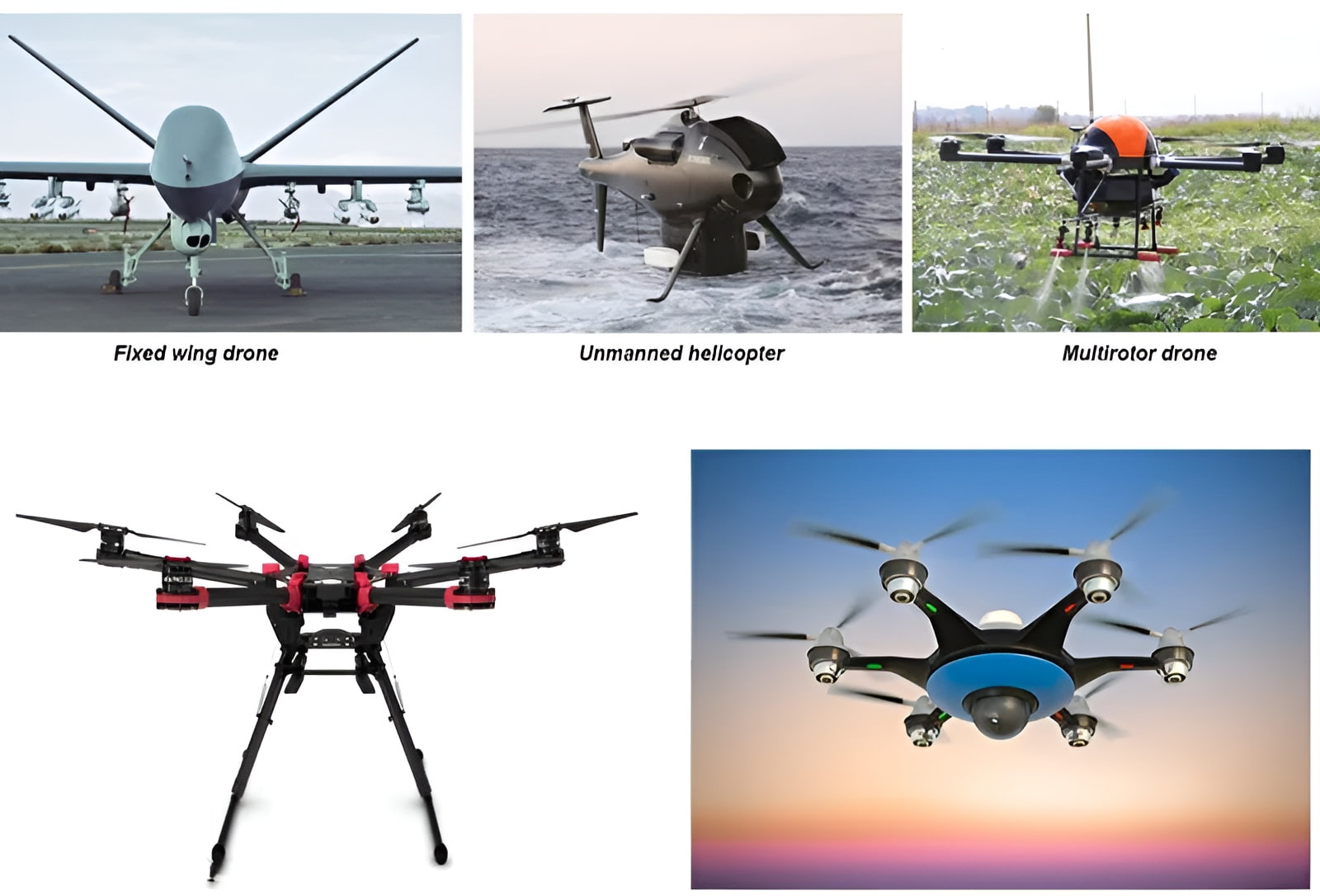
     Neodymium magnets, known for their exceptional magnetic strength and compact size, have become a cornerstone of modern drone technology. These powerful permanent ndfeb magnets are integral to the performance, efficiency, and reliability of drones, enabling their use in a wide range of applications, from aerial photography to industrial inspections and even military operations.


custom size neodymium permanent magnets


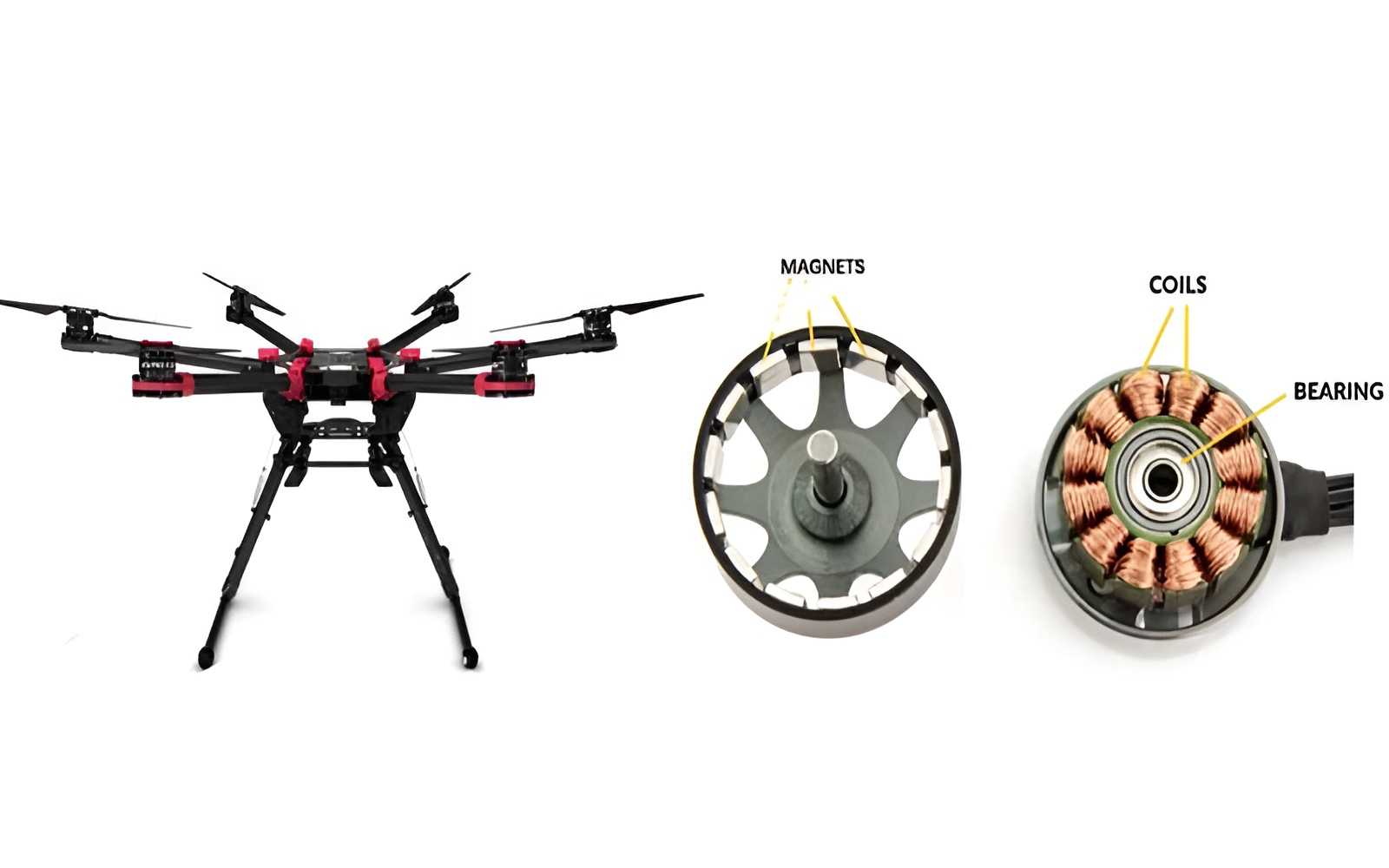
     At the heart of every drone lies its motor, and neodymium magnets are a key component in the brushless DC motors (BLDC) that power these unmanned aerial vehicles. These motors rely on the strong magnetic fields generated by neodymium magnets to achieve high torque and efficiency, which are essential for smooth takeoff, flight, and landing. The lightweight yet powerful nature of neodymium magnets allows drone motors to deliver exceptional performance without adding unnecessary weight, a critical factor for maximizing payload capacity and flight time.


     Beyond motors, compact size neodymium magnets play a crucial role in the sensors and actuators that ensure a drone's stability and navigation. Many drones use magnetometers, which rely on neodymium magnets, to detect Earth's magnetic field and determine orientation. This is particularly important for accurate navigation, especially in environments where GPS signals may be weak or unavailable. Additionally, high-end drones often feature gimbal systems equipped with neodymium magnets to stabilize cameras and other payloads. These magnets enable smooth, vibration-free operation, ensuring high-quality imaging even during rapid movements or challenging flight conditions.


     The impact of neodymium magnets on drone performance is profound. By improving motor efficiency, these magnets help reduce energy consumption, allowing drones to fly longer on a single charge. Their high power-to-weight ratio also enables drones to carry heavier payloads, such as advanced cameras or delivery packages, without compromising flight stability. Furthermore, neodymium magnets are highly resistant to demagnetization, ensuring reliable performance even under harsh conditions, such as extreme temperatures or high vibrations.


Neodymium magnets used in drones


     However, the widespread use of premium quality neodymium magnets in drones also presents challenges. The production of these magnets relies on rare earth elements like neodymium and praseodymium, which are subject to supply chain vulnerabilities and price fluctuations. Additionally, the mining and processing of rare earth materials have environmental impacts, driving the need for sustainable solutions such as recycling and the development of alternative materials.


     Looking ahead, the role of neodymium magnets in drone technology is expected to grow even further. The development of fully autonomous drones will require even more precise and reliable motors and sensors, further increasing the demand for high-performance neodymium magnets. The emergence of urban air mobility, including drone taxis and delivery drones, will also rely on these magnets to ensure safe and efficient operation in crowded urban environments. In the military and defense sector, drones used for surveillance, reconnaissance, and combat will continue to depend on neodymium magnets for their superior performance and durability.


     In conclusion, neodymium magnets are the unsung heroes behind the rapid advancement of drone technology. From powering motors to enabling precise navigation and stabilization, these magnets are at the core of what makes modern drones so capable and versatile. As the drone industry continues to evolve, great performance neodymium magnets will remain a critical component, driving innovation and unlocking new possibilities for the future of flight.


Various fields of drones


READ MORE >

The Importance of Pluggable Terminal Block Connectors adapt to Pin Header

pcb screw connector


In today's rapidly advancing technology landscape, the reliable transmission of signals is crucial for various electronic applications. One key component that plays a vital role in signal connection control is the pluggable terminal block. The proper coordination between plug and pin in these connectors ensures secure and efficient signal transmission. In this blog post, we will explore the significance of pluggable terminal block connectors and how they contribute to seamless signal connectivity. Let's delve into the details.

Understanding the Versatility of PCB Screw Connector
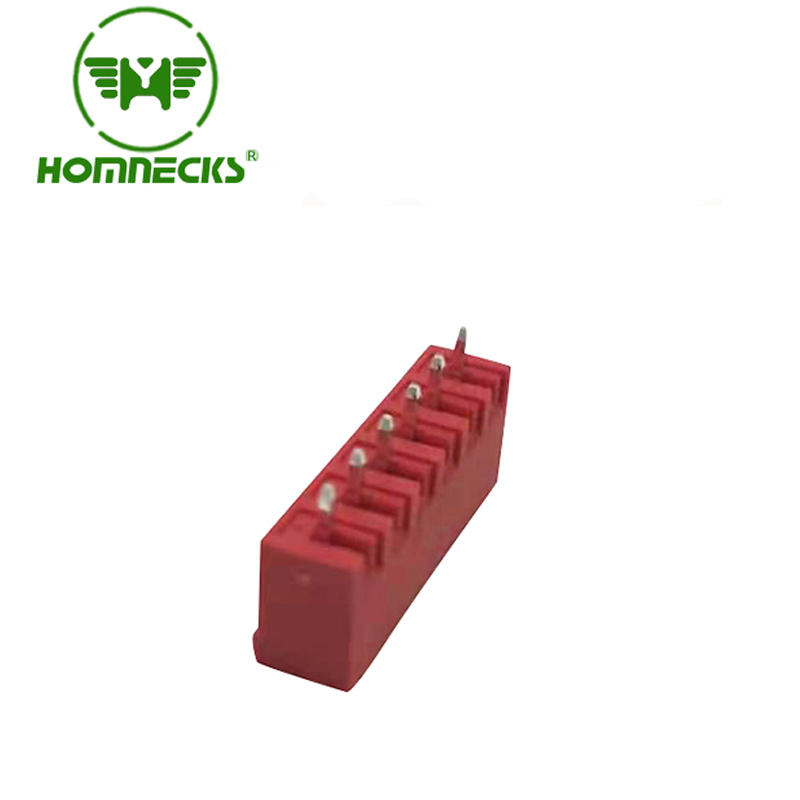
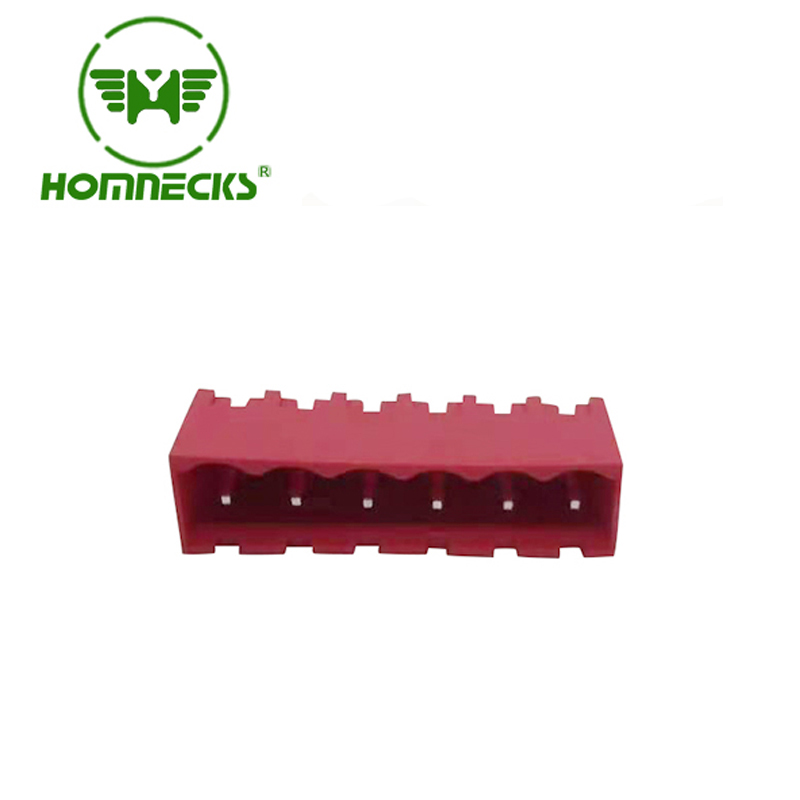
When it comes to PCB-based applications, the PCB screw connector, also known as a terminal block, offers exceptional functionality. With its screw-type design, it provides a secure and durable connection. The 5.08 mm pitch connector, a widely used variant, offers convenient wiring options with its standardized spacing. Manufacturers and suppliers, such as HONG YI-HOMNECKS, ensure high-quality terminal blocks that meet the industry's requirements for superior performance.


terminal block supplier

The Benefits of Green Terminal Blocks for Sustainable Solutions
In today's environmentally conscious world, the demand for sustainable solutions is ever-increasing. Green terminal blocks, designed with eco-friendly materials, offer an ideal choice for applications that prioritize sustainability. Their reliable performance, coupled with their eco-conscious design, make them a preferred option for various low voltage applications. Manufacturers like HONG YI-HOMNECKS take pride in producing green terminal blocks that provide excellent electrical connectivity while embracing environmental responsibility.


Ensuring Ease of Installation with Pluggable Terminal Block Connectors
Pluggable terminal block connectors are known for their user-friendly design, enabling easy installation and maintenance. The terminal block connector plug provides a convenient solution for quick and secure connections. These connectors are widely used in PCB assemblies, ensuring efficient signal transmission and reliable performance. HONG YI-HOMNECKS, a leading terminal block manufacturer, offers a wide range of pluggable terminal block connectors that guarantee seamless connectivity and effortless installation.


 HONG YI-HOMNECKS - Your Reliable Partner for PCB Terminal Blocks
When it comes to high-quality terminal blocks, HONG YI-HOMNECKS is a trusted name in the industry. With a commitment to excellence, they provide top-notch terminal block solutions, including PCB screw connectors, green terminal blocks, and pluggable terminal block connectors. Not only do they offer superior product performance, but they also prioritize customer satisfaction through their exceptional services. HONG YI-HOMNECKS aims to meet the unique requirements of their clients, ensuring reliable signal connection control for diverse applications.


Conclusion:
In conclusion, pluggable terminal block connectors play a crucial role in achieving seamless signal connectivity. With their versatility, sustainability, and ease of installation, they offer efficient solutions for various electronic applications. When it comes to reliable and high-quality terminal block solutions, HONG YI-HOMNECKS stands out as a trusted manufacturer and supplier. Their commitment to excellence and exceptional services make them the ideal partner for your PCB terminal block needs. Experience the benefits of HONG YI-HOMNECKS+PCB TERMINAL BLOCK and ensure perfect plug and pin alignment for your signal connections.


READ MORE >

The relationship between the design and performance of pluggable terminal block

3 pin screw terminal block connector

HongYi Electronic Co.,Ltd Pluggable terminal block is composed of two parts that are connected by plugging and unplugging. 3 pin screw terminal block connector One part compresses the wire and then plugs it into the other part, which is soldered onto the PCB board. This bottom mechanical principle and anti vibration design ensure the long-term airtight connection of the product and the reliability of the finished terminal block connector 3 pin. Both ends of the socket can be equipped with matching ears, which can greatly protect the contacts and prevent poor arrangement of the contacts. At the same time, this socket design can ensure that the socket can be correctly inserted into the mother body. HongYi Electronic Co.,Ltd socket can also have assembly buckles and locking buckles. The assembly buckle 3 pin terminal block connector  can provide a more stable fixation to the PCB board, and the locking buckle can lock the mother body and socket after installation is completed. 

HongYi Electronic Co.,Ltd Various socket designs can be paired with different insertion methods for different substrates, such as horizontal, vertical, or tilted towards the printed circuit board. You can choose either metric line gauges or standard line gauges.


The main reason 3 pin screw terminal  for the deformation problem of long digits in the combination of spliced products is also due to the unreasonable structure, 3 position terminal block which leads to an imbalance of forces on the two spliced falcons in the front, back, up, down, left, and right directions. Therefore, the stress and deformation direction of the spliced falcons should be considered in the structural design.

terminal block connector 3 pin

2. Regarding the issue of screw anti drop, I suggest using neck anti drop as much as possible, as it avoids the trouble caused by tolerance accuracy at the screw rod and collar compared to collar anti drop. And the structure is reliable and the tolerance is easy to control.


3. Regarding the issue of salt spray testing on 4 pin terminal and threaded steel parts after electroplating, HongYi Electronic Co.,Ltd according to the current company's standard for thread electroplating (the coating is limited, but the thickness of the coating corresponding to the size of the thread still needs to be further determined), there are two methods to solve this problem under normal electroplating process: selecting the correct sealing agent and using multiple electroplating of the coating. Both methods aim to cover the pores generated by screws that are not visible to the naked eye. The cost of using multiple electroplating layers is relatively high, so it is recommended to use the first method, and the key to this method lies in the study of the sealing agent formula.


4. The issue of insertion and extraction force involves a lot of content, HongYi Electronic Co.,Ltd which is related to materials, electroplating, structure, and the industry in which it is applied. It is an important mechanical performance requirement in the connector industry, especially for plug-in terminals. The selection of materials is limited by conductivity (current), contact resistance, and temperature rise in terms of insertion and extraction force. I won't go into detail here. Electroplating is mainly influenced by the type of coating and whether it is pre plated or not,


HongYi Electronic Co.,Ltd Only by doing well, strengthening, and expanding the products within our capabilities. To win the favor of customers, enhance the influence and brand awareness of the enterprise in the industry, Shanghai Youle Electric follows this rule and strives to abandon old-fashioned marketing concepts in the fierce competition of the plug-in terminal market, focusing on terminal brand marketing to win a larger and broader market.

READ MORE >

The Role of PCB Terminal Blocks in Signal Connection Control

5.08 mm pitch connector

PCB terminal blocks are vital components in electrical systems, enabling secure and reliable signal connections for various applications. One popular choice is the 5.08 mm pitch connector or terminal block. In this article, we will explore the importance of these terminal blocks in signal connection control and highlight the advantages offered by HONG YI-HOMNECKS, a renowned terminal block manufacturer and supplier.

1.What are PCB Terminal Blocks?
PCB terminal blocks, such as the 5.08 mm pitch connector, are connectors designed specifically for printed circuit boards (PCBs). They provide a means to connect wires or cables to the PCB, facilitating the transmission of electrical signals between different components. The 5.08 mm pitch connector offers a standardized spacing for effortless integration into PCB designs.


2: Signal Connection Control Made Easy
The primary role of PCB terminal blocks is to establish reliable and secure connections for signal transmission. Terminal blocks ensure proper electrical conductivity and minimize signal interference, which is crucial for maintaining the integrity of the signal throughout the system. The 5.08 mm terminal block, with its robust construction and precise pin spacing, provides excellent signal connection control.


3: Versatility and Flexibility
One of the key advantages of the 5.08 mm pitch connector is its versatility. It can handle various wire gauges and accommodate different types of signals, including power, analog, and digital signals. This flexibility makes it a popular choice across a wide range of industries, from industrial automation to consumer electronics. Whether you need to connect sensors, actuators, or power sources, the 5.08 mm terminal block offers a reliable solution.

terminal block 5.08 mm

4: Quality Manufacturing by HONG YI-HOMNECKS
As a leading manufacturer and supplier of terminal blocks, HONG YI-HOMNECKS is dedicated to producing high-quality products that meet industry standards. Their 5.08 mm terminal blocks are manufactured using top-grade materials and undergo rigorous quality control to ensure optimal performance and durability. When
choosing HONG YI-HOMNECKS, you can trust in the reliability and longevity of their products.


5: Comprehensive Solutions and Customization
HONG YI-HOMNECKS understands that each project has unique requirements. That's why they offer comprehensive solutions for your terminal block needs. Whether you need specific pin configurations, specialized features, or custom designs, HONG YI-HOMNECKS can provide tailored solutions to meet your precise specifications. Their expertise and commitment to customer satisfaction set them apart as a trusted partner in the industry.


Conclusion:
In the world of signal connection control, PCB terminal blocks play a crucial role in ensuring reliable and efficient electrical connections. The 5.08 mm pitch connector or terminal block stands out as a versatile and dependable solution for various applications. When it comes to quality and reliability, HONG YI-HOMNECKS excels as a leading terminal block manufacturer and supplier. With their dedication to providing comprehensive solutions and exceptional service, HONG YI-HOMNECKS is the ideal choice for all your PCB terminal block needs.

READ MORE >

What are the differences and uses of 3.5mm, 3.81mm, 5.0mm, 5.08mm, 7.5mm, 7.62 mm PCB terminal blocks

5.08 mm terminal block

These numbers (such as 3.5 mm, 3.81 mm, 5.0 mm, 5.08 mm, 7.5 mm, 7.62 mm) represent different spacing and are commonly used to describe the size of PCB terminal blocks. Here are some differences and common uses between them:

Ningbo HongYi Electronic Ltd Co. 3.5mm terminal blocks and 3.81mm terminal blocks: These two spacing options are typically used for smaller electronic devices and connectors, such as small power modules, sensor modules, terminal blocks, etc. They are suitable for applications that require compact layouts and limited space.


3.81 mm terminal block

Ningbo HongYi Electronic Ltd Co.  5.0 mm  terminal blocks and 5.08 mm terminal blocks: These two spacing sizes are common standard sizes widely used in electronic devices and industrial control systems. They are suitable for medium-sized equipment such as power supply, PLC control, automation equipment, etc. 5.08mm terminal blocks are particularly commonly used for AC circuit connections, such as power input and relay control.

Ningbo HongYi Electronic Ltd Co. 7.5mm terminal blocks and 7.62mm terminal blocks: These two spacing options are suitable for larger equipment and high-power applications. They have larger terminal spacing and can withstand higher currents and voltages, commonly found in power sources, large mechanical equipment, and industrial automation systems.

These wiring terminals with different spacing have their respective applicable application ranges, and the choice of suitable spacing depends on specific application requirements, such as power requirements, space limitations, and electrical characteristics. When choosing, it is necessary to consider the actual situation and design requirements comprehensively.

READ MORE >

Application of Terminal Blocks in the Field of Instruments and Meters

Terminal blocks have a wide range of applications in the field of instruments and meters. Instruments and meters are devices used for measuring, monitoring, and controlling various physical quantities and processes, and terminal blocks play an important role in connecting and transmitting signals in this field. Here are some common applications of terminal blocks in the field of instruments and meters:

Signal connection: Instruments and meters need to be connected to sensors, actuators, controllers, and other devices to receive and transmit various signals. Terminal blocks are used to provide reliable electrical connections, ensuring stable signal transmission and accurate measurements.

Instrument wiring: Terminal blocks are used for internal wiring in instruments, connecting control buttons, indicator lights, display screens, and other components on the instrument panel. This makes the use of instruments more convenient, and operation and monitoring more intuitive.

Instrument calibration: Terminal blocks also play an important role in instrument calibration. By connecting calibration instruments and the instrument being calibrated through terminal blocks, signal transmission and calibration accuracy are ensured.

Instrument maintenance: During instrument maintenance and repair, terminal blocks allow for easy disconnection and connection of various modules inside the instrument, providing a convenient way for maintenance and repair.

Signal isolation: Some instruments require signal isolation to ensure the safety and accuracy of data. Terminal blocks can provide signal isolation and anti-interference functions, protecting the normal operation of instruments and systems.

Through the application of terminal blocks, instruments and meters can achieve reliable signal connection and transmission, providing accurate measurement and control functions. Terminal blocks also simplify the installation and maintenance processes of instruments.

READ MORE >

Application of Terminal Blocks in the Lighting Industry

Terminal blocks are widely used in the lighting industry for various applications. The lighting industry involves a wide range of lighting devices and systems, and terminal blocks play a crucial role in providing connection and power supply. Here are some applications of terminal blocks in the lighting industry:

1. Lighting device connection: Terminal blocks are used to connect lighting devices such as fixtures, bulbs, etc., to the power supply lines. They provide reliable electrical contact, ensuring stable power supply and normal operation.

2. Lighting system wiring: Lighting systems often require wiring to connect different fixtures and controllers. Terminal blocks are used for wiring connections, providing reliable electrical connections between various fixtures and easy connections to power lines and control devices.

3. Safety connections: Terminal blocks also play a vital role in ensuring safety connections in the lighting industry. They can secure the connection between power lines and fixtures, preventing circuit loosening or poor contact that can lead to faults and safety hazards.

4. Control signal transmission: Some lighting systems require remote control and dimming. Terminal blocks are used to connect lighting controllers and dimming devices, transmitting control signals to adjust and control the lighting.

5. Fixture maintenance and replacement: During fixture maintenance and replacement, terminal blocks provide a convenient way for disassembly and connection, allowing maintenance personnel to easily handle connections between wires and fixtures.

By utilizing terminal blocks, it ensures stable power supply and reliable connections for lighting devices, providing safety and convenience. Terminal blocks also simplify the installation and maintenance of lighting systems.

READ MORE >

Electrical Performance Standards for Double Row PCB Terminal Block

8 pin terminal connector

NingBo HongYi  Double row PCB terminal block is a commonly used wiring connector on electronic devices and circuit boards, with double row slots that allow it to connect multiple wires. The following are some common electrical performance standards used to evaluate the performance and quality of 10 way terminal block:


NingBo HongYi  Double row PCB terminal block Rated Voltage: This refers to the maximum voltage that 10 pin terminal block connector can withstand. Usually expressed in volts (V). The rated voltage should meet the voltage requirements of the connected circuit to ensure safe electrical insulation and reliable electrical connections.

NingBo HongYi  Double row PCB terminal block Retention Force: This refers to the resistance of a wire or plug inserted into a terminal slot to detach from the terminal. A higher detachment force can ensure a stable connection and prevent loosening or detachment caused by vibration or external forces.

NingBo HongYi  Double row PCB terminal block Rated Current: This refers to the maximum current value that 10 pole terminal block can withstand. Usually expressed in amperes (A). The rated current should be determined based on the design and material quality of the terminal block to ensure that it can safely transmit the current of the connected circuit.

10 pole terminal block

NingBo HongYi  Double row PCB terminal block Insulation Resistance: This refers to the insulation performance between 10 pin terminal block, that is, the ability of terminal blocks to be non-conductive under specific temperature and humidity conditions. Usually expressed in ohms (Ω). A higher insulation resistance means better insulation performance and is more reliable in avoiding circuit short circuits and faults.

NingBo HongYi  Double row PCB terminal block Contact Resistance: This refers to the resistance connected internally within the 8 pin terminal connector. Lower on resistance means better electrical connection performance, reducing energy loss and signal attenuation.

These electrical performance standards are typically evaluated and validated through specifications and testing methods developed by relevant standard organizations such as the International Electrotechnical Commission. When selecting dual row PCB terminal blocks, these standards can be referenced to ensure that the selected 7 pin terminal block meet the requirements of the equipment and circuit, and provide reliable electrical connections.


READ MORE >

Materials for DIP Switches

 DIP switch


DIP switches, also known as "dual in-line package switches," typically consist of a housing, pins, contacts, springs, and a toggle part.

1. Plastic Materials:
The outer shell of most DIP switches is made of plastic due to its good insulating and flame-retardant properties, as well as its ease of molding and surface treatment. However, plastic materials have lower mechanical strength and are susceptible to damage from external forces.

2. Metal Materials:
Metal materials offer higher strength and wear resistance compared to plastic, making them suitable for applications where durability is crucial, such as transportation and shipbuilding. Nevertheless, metal materials come with challenges related to conductivity and oxidation.

3. Ceramic Materials:
Although ceramic materials are more expensive, they provide excellent temperature resistance, wear resistance, and mechanical strength. DIP switches used in high-temperature and high-pressure environments often utilize ceramic. However, ceramic materials are brittle and prone to breakage from external impacts.

Each material has its unique characteristics and is chosen based on the specific requirements of the application. If you have any further questions or would like to discuss the selection of materials for DIP switches in more detail, please feel free to reach out.

READ MORE >