Why choose Shinhoo's circulation pump and how it can enhance your daily life?

In today's fast-paced world, convenience and efficiency are essential elements of a comfortable lifestyle. When it comes to domestic water supply and HVAC systems, Shinhoo stands out as a leading pioneer in the Chinese circulation pump industry. With a wide range of independently designed and developed pumps, Shinhoo aims to elevate the everyday living experience of its users.

1. Instant Hot Water

One of the greatest advantages of Shinhoo's circulation pump is the availability of instant hot water. This feature saves valuable time, especially in larger households, where waiting for hot water to reach the faucet can be time-consuming.

2. Energy Efficiency

Contrary to initial assumptions, circulation pumps are actually energy-efficient. By eliminating the need to wait for hot water, they reduce water waste significantly. This eco-friendly choice not only saves energy but also promotes sustainability in your daily activities.

3. Water Conservation

In addition to saving energy, Shinhoo's circulation pump reduces water consumption. With instant hot water readily available, there is no need to let the cold water run until it gets warm. This efficient system helps conserve water resources while providing the comfort of hot water on demand.

4. Supplementary Heat Source

The pipelines that transport hot water release residual heat, transforming them into supplementary heat sources. This unique advantage ensures that your bathroom remains cozy and warm, contributing to a pleasant experience throughout the year, especially during colder seasons.

5. Enhanced Comfort

By eliminating the need to wait for hot water, Shinhoo's circulation pump boosts the overall comfort of your home. Whether you're taking a relaxing bath or simply washing your hands, you can enjoy immediate access to warm water, enhancing your everyday comfort and convenience.

6. Reduced Pipeline Corrosion

Continuous water circulation helps minimize the accumulation of corrosion in pipelines. This long-term benefit extends the lifespan of your plumbing system, reducing maintenance and replacement costs while ensuring long-lasting performance and durability.

7. Easy Installation and Maintenance

Shinhoo's circulation pumps are designed with user convenience in mind. They are relatively easy to install and require minimal maintenance, providing hassle-free operation and peace of mind.

8. Versatility for All Types of Homes

No matter if you reside in a newly constructed house or an existing one, Shinhoo's circulation pumps are suitable for various types of properties. They seamlessly adapt to different heating systems, making them a versatile choice for a wide range of households.


READ MORE >

Choosing the Right Circulator Pump for Your Heating System Heat Pump vs. Wall Hung Boiler Pump

As winter approaches, ensuring your home stays warm and comfortable becomes a top priority. Two of the most common heating systems used in households are heat pumps and wall hung boilers. Both systems rely on a crucial component to function efficiently: the circulator pump. At Shinhoo, we offer a wide range of OEM circulator pumps designed to meet the specific needs of these heating systems. Let’s dive into the differences between heat pump circulator pumps and wall hung boiler pumps, and how to choose the right one for your home.


Heat Pump Circulator Pump: The Heart of Efficient Heating


Heat pumps are known for their energy efficiency, as they transfer heat from the environment to warm your home and provide hot water. The heat pump circulator pump is the core component that ensures the system operates smoothly. Here are some key features of Shinhoo’s heat pump circulator pumps:

Customizable High-Strength Plastic Pump Body: Durable and lightweight, designed to withstand the demands of heat pump systems.

Anti-Condensation Structure: Effectively prevents and removes condensation, ensuring reliable operation in both heating and cooling modes.

U-Shaped Flow Channel: Smoother inlet flow, larger diameter, and ultra-low noise levels as low as 36 dB(A).

Multiple Protections: A3/A2L explosion-proof certification for propane heat pump systems, ensuring high reliability.

Precise Flow Feedback Function: Monitors pump performance in real-time for optimal efficiency.

Heat pump circulator pumps are specifically designed to meet the unique requirements of heat pump systems, ensuring energy-efficient and quiet operation.


 Wall Hung Boiler Pump: Powering Traditional Heating Systems

Traditional wall hung gas boilers generate heat by burning natural gas, providing both heating and hot water for your home. The wall hung boiler pump is engineered to deliver high performance in these systems. Here’s what sets Shinhoo’s wall hung boiler pumps apart:

Permanent Magnet Motor: Saves up to 60% in electricity consumption compared to conventional pumps.

PCBA with MCU Control: Features PWM control and LIN-Bus communication for seamless integration with the boiler, ensuring energy-efficient, stable, and comfortable operation.

High-Efficiency Sintered Rotor: Reduces heat generation and improves motor efficiency by up to 30%.

 Wall hung boiler pumps are designed to make traditional heating systems more compact, intelligent, and efficient.


How to Choose the Right Pump for Your System

Whether you’re using a heat pump or a wall-hung boiler, selecting the right circulator pump depends on your specific heating system requirements. Here are a few tips to help you decide:

For Heat Pumps: Look for pumps with anti-condensation features, low noise levels, and precise flow control to match the efficiency of your heat pump system.

For Wall-Hung Boilers: Opt for pumps with permanent magnet motors and advanced control systems to maximize energy savings and system stability.


Consult the Experts

Choosing the right circulator pump is essential for achieving the best heating and hot water solutions for your home. At Shinhoo, we recommend consulting with professional engineers and technicians to ensure your system is equipped with the most suitable pump.


Why Choose Shinhoo?

Shinhoo offers a comprehensive range of OEM circulator pumps, including the most extensive selection of models on the market in terms of head and flow rate. Whether you need a pump for a heat pump or a wall-hung boiler, we have the perfect solution to meet your needs.


Stay warm this winter with the right circulator pump from Shinhoo. Contact us today to learn more about our products and find the best heating solution for your home!


READ MORE >

How to choose pumps for pool covers

  1. Determine the size of your pool: Measure the length and width of your pool to determine the size. This will help you choose a pump that is the right size for your pool cover.
  2. Consider the type of pool cover: Different types of pool covers require different types of pumps. For example, a mesh cover requires a submersible pump, while a solid cover requires an above-ground pump.

    3. Consider the flow rate: The flow rate is measured in gallons per hour (GPH). A higher GPH means that the pump can move more water in less time, which is important if you have a large pool or need to remove large amounts of water quickly.

    SP-750

    SP-402


    SP-550A


    SP-8000


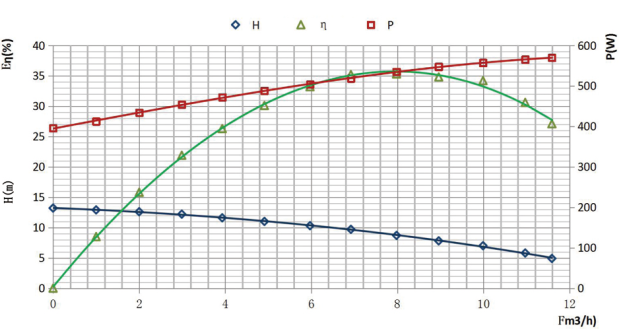
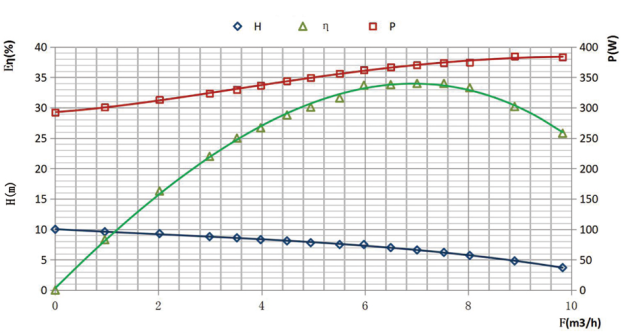
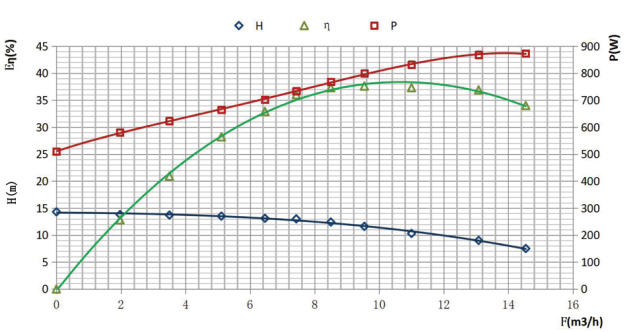
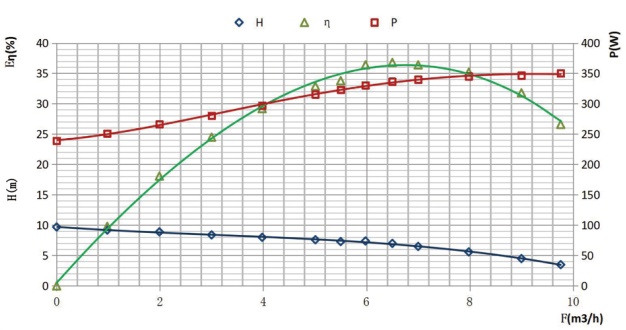
    1. Eη-mechanical efficiency

    2.P-power (0.4-08KW)

    3.H-head (9.7-14m)

  3. Consider energy efficiency: Look for Shinhoo pool pumps that are Energy Star certified, as these are more energy efficient and will save you money in the long run.Shinhoo pool pump ensures your clear pool and spa water for a heathly lifestyle.
READ MORE >

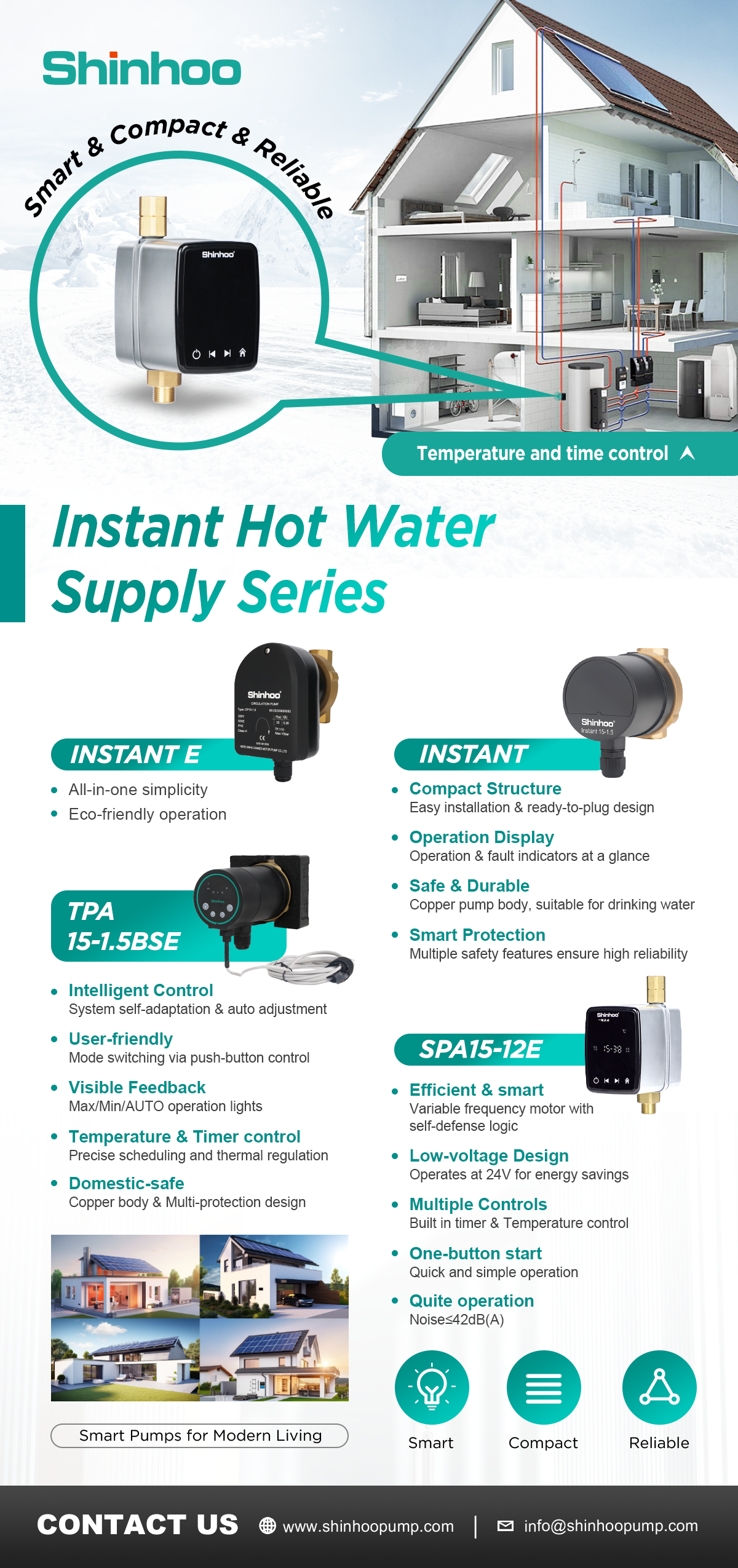
Say Goodbye to Waiting for Hot Water – Discover the Shinhoo Instant Series

Have you ever turned on the tap and waited—sometimes for what feels like forever—before hot water finally arrives? Whether you're getting ready for a shower on a cold morning or washing dishes after dinner, that delay is more than just inconvenient. It’s wasted time, water, and energy.

That’s where the Shinhoo Instant Hot Water Supply Series comes in—a smart, efficient solution designed to solve one of the most common household pain points.


Why Hot Water Circulation Pumps Matter

In many homes, hot water takes too long to reach the tap, especially in larger houses or those with long pipe runs. This leads to water wastage and frustration. A hot water circulation pump keeps hot water moving through the pipes so it’s ready when you need it—no waiting, no waste.


Meet the Instant Series by Shinhoo

Shinhoo, a trusted name in the pump industry, offers a range of smart and compact circulation pumps tailored to modern homes. The Instant Series combines reliability, quiet operation, and energy-saving technology—all in a sleek, easy-to-install package.Instant Series

INSTANT

  • Compact & Easy to Install – Ready-to-plug design simplifies setup

  • Safe for Daily Use – Copper pump body, suitable for drinking water

  • Smart Indicators – Clear display of status and potential faults

  • Built-in Protections – Multiple safety features for dependable operation


INSTANT E

  • Eco-Conscious Design – Efficient performance with lower energy use

  • All-in-One Convenience – Ideal for smaller spaces or integrated systems


TPA 15-1.5BSE

  • Intelligent Operation – Adjusts automatically to system needs

  • Simple Control – One-touch mode switching

  • Precision Features – Includes timer and temperature regulation

  • Built for Homes – Durable copper body and multi-layered safety


SPA15-12E

  • Quiet and Efficient – Variable speed motor with noise level ≤42dB(A)

  • Low Voltage (24V) – Safer and more energy-efficient

  • User-Friendly – Built-in timer, temperature control, and one-button start


Everyday Comfort, Made Smarter

Whether you’re renovating your home, upgrading an old pump, or simply tired of wasting water, the Shinhoo Instant Series offers a practical and long-term solution. Enjoy instant access to hot water when and where you need it—without complicated installation or high energy costs.

Why Shinhoo?

With decades of experience and a strong reputation in the circulation pump industry, Shinhoo continues to lead with innovation and customer-focused solutions. The Instant Series reflects our commitment to smarter, more sustainable living—right from your kitchen to your bathroom.

READ MORE >

The Evolution of Shinhoo Gas Boiler Pumps Innovating for Efficiency and Comfort

From the initial stages of development to our latest breakthrough, Shinhoo's gas boiler pumps have continuously evolved to meet the growing needs of homes and businesses across the globe.

GPD Series – Quiet, Reliable Performance

Our story begins with the GPD series. This first-generation pump was designed with fixed frequency technology at its core, ensuring a quiet operation with a noise level of ≤42dB. It provided a reliable, stable performance with leak-free design, offering users a solid foundation for their heating systems. With this model, we established our reputation for quality, reliability, and energy efficiency.

GPA-II Series

The launch of GPA-II series marked a significant leap from fixed frequency to frequency control technology. GPA-II series delivered an impressive 30% boost in efficiency and adhered to Class A energy-saving standards, achieving an EEI ≤0.23-Part 3 according to EU regulations.

GPA-III Pro Series

Continuing our commitment to innovation, we introduced GPA-III Pro series, which broke through traditional limits by achieving an EEI ≤0.20-Part 3—saving up to 60% in power consumption. The addition of PWM technology (Pulse Width Modulation) and a simplified operation interface made these pumps not only more efficient but also smarter and easier to use. With advanced features that enhanced both user experience and performance, GPA-III Pro became a favorite choice for homes seeking both energy savings and advanced functionality.

GPA-III U Series

GPA-III U series represents the pinnacle of Shinhoo’s gas boiler pump technology. With cutting-edge features like flow feedback, LIN communication, and high head performance, this series is designed to provide outstanding reliability in various complex environments, including gas water heaters and biomass boilers.

Key features include:

Flow feedback with accuracy up to ±0.2m³/h

Stable performance even at low voltages (170V)

High lift capacity of up to 9 meters.

LIN and PWM control, ensuring advanced performance and communication.

EMC up to Class A standards, delivering exceptional anti-interference capability for stable operation in challenging conditions.

Shinhoo’s Commitment to Innovation and Sustainability

From GPD series to GPA-III U series, Shinhoo gas boiler pumps have undergone a significant transformation, reflecting our unwavering dedication to user-centered innovation. Our focus has always been on creating solutions that bring efficiency, energy savings, and reliability to households around the world.

Why Choose Shinhoo Gas Boiler Pumps?

When you choose Shinhoo, you're choosing a brand that combines quality, performance, and sustainability. Here's why our gas boiler pumps stand out:

Energy Efficiency: Shinhoo pumps are designed to provide high efficiency, saving up to 60% of energy consumption compared to traditional systems.

Low Noise Operation: With advancements in noise reduction technology, our pumps operate quietly, ensuring a peaceful home environment.

Reliable Performance: Shinhoo pumps are engineered for stability and durability, even in the most demanding conditions.

User-Friendly Interface: With simplified operation interfaces and intelligent controls, using Shinhoo pumps is intuitive and hassle-free.

Sustainability: Our products adhere to the highest energy-saving standards and are built to last, reducing waste and environmental impact.

The Future of Heating: Shinhoo Pumps Leading the Way

As we look toward the future, Shinhoo continues to focus on innovation and delivering high-performance heating solutions that meet the needs of our customers. We will keep pushing the boundaries of what’s possible, ensuring that every pump we create helps homes and businesses run more efficiently and sustainably.

At Shinhoo, we don’t just provide products—we provide solutions that last for years.


READ MORE >

Why do toilet flushes have two buttons ?


If you’ve ever used a modern toilet in a home, office, or hotel, you may have noticed that many of them come with two flush buttons—one smaller, one larger. But why are there two buttons instead of just one? Is it just a trendy design, or is there a deeper reason behind this feature?


The Basic Function of Dual Flush Buttons


The two-button design allows for different levels of water usage. The smaller button is typically for a half flush (around 3 liters), ideal for liquid waste, while the larger button triggers a full flush (around 6 liters), suitable for solid waste. This system is known as a double button toilet flush, and it’s designed to give users more control over water consumption.


The buttons work in combination with a compatible dual-mode flush valve. When either button is pressed, it activates a different flushing volume based on internal valve mechanics.


Environmental Benefits and Water Efficiency


The primary purpose of this design is water conservation. Compared to traditional single-button or lever toilets that use a fixed amount of water per flush, dual flush systems can save thousands of liters of water per household each year.


For example, if a person uses the toilet five times a day and opts for the smaller flush three times, that alone could save nearly 10 liters of water daily. Multiply that across a family or commercial facility, and the savings are substantial—not only in terms of utility bills but also in reducing environmental impact.


Compatibility and Common Systems


Not all toilets are initially equipped for dual flush. However, many modern concealed and exposed cisterns now support this system. Older toilets can often be upgraded with a dual flush toilet button replacement, which typically involves replacing the existing flush valve and installing a new dual button plate.


Common compatible setups include:


  • Dual flush valve with two-stage flushing (for top-mounted button panels)


  • Dual flush button for toilet systems integrated with concealed cisterns


  • Dual flush cable-operated valves, which support button mounting either on the top or side of the tank


When choosing a replacement or upgrading an existing toilet, be sure to check tank dimensions, button hole size, and valve height to ensure compatibility.


Conclusion: A Small Feature with a Big Impact


The dual flush toilet button may seem like a minor bathroom detail, but it reflects a broader shift toward efficiency and sustainability in modern design. It not only enhances user experience but also helps conserve precious resources every single day.


Whether you’re remodeling a bathroom or looking for a quick dual flush toilet button replacement, upgrading to a dual flush system is a simple, cost-effective way to make a positive impact.

READ MORE >

The Unsung Hero Behind Green Energy Efficiency Top-Grade Silicon Steel's Top Ten Applications

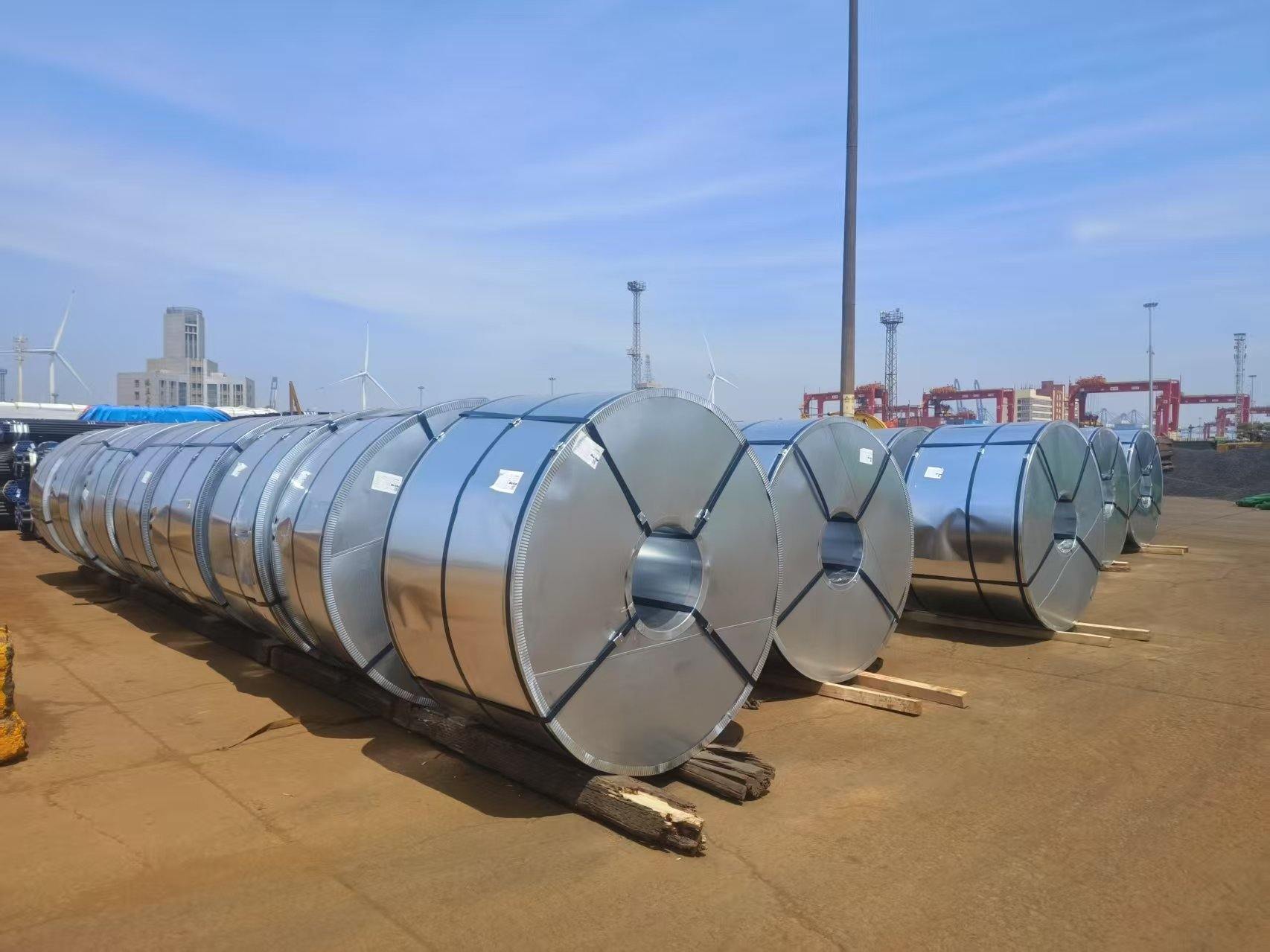
In the global era advocating green energy efficiency, top-grade silicon steel, with outstanding low loss and high magnetic properties, has become a key material driving efficient energy use. In the top ten fields, it plays an irreplaceable role, with its application in the new energy vehicle sector particularly shining.


The primary power source of new energy vehicles—the drive motor—demands stringent material performance. The low iron loss characteristic of top-grade silicon steel significantly reduces energy loss during high-frequency motor operation. Calculations show that a drive motor manufactured using top-grade silicon steel can increase energy conversion efficiency by around 15%. This means that with the same amount of electricity, a vehicle can travel a longer distance. For instance, in the case of a pure electric vehicle with a range of 500 kilometers, using a drive motor made of top-grade electrical steel can increase the range by about 75 kilometers.

Furthermore, the excellent magnetic performance of top-grade silicon steel ensures a more uniform distribution of the motor's magnetic field, reducing operational noise and prolonging the motor's lifespan. In today's increasingly competitive new energy vehicle market, top-grade silicon steel helps automotive companies enhance vehicle performance, driving the industry towards a more energy-efficient and environmentally friendly direction.


Apart from new energy vehicles, top-grade silicon steel also performs exceptionally well in sectors such as household appliances, industrial motors, and wind power generation, providing strong support for energy conservation and carbon reduction across various industries. It is truly deserving of being hailed as the core hero behind green energy efficiency.


READ MORE >

2017 The 122nd Canton fair

When tomorrow turns in today, yesterday, and someday that no more important in your memory, we suddenly realize that we are pushed forward by time.This is not a train in still in which you may feel forward when another train goes by.It is the truth that we've all grown up.And we become different.

READ MORE >

Can a fill valve cause a toilet to leak ?


A leaky toilet is not only annoying but can also lead to higher water bills and even damage to your bathroom floor over time. One common but often overlooked culprit is the toilet fill valve. But can this small part really cause a leak? The answer is yes — and in this article, we’ll explain how, what to look for, and how to prevent it from happening again.


What Is a Toilet Fill Valve?


The toilet fill valve is a crucial component inside your toilet tank. Its job is to refill the tank with water after each flush and stop the water flow when the tank is full. There are several types of fill valves, including float ball, float cup (or float cylinder), and diaphragm-style valves. Each type works slightly differently, but all serve the same basic purpose.


Can a Fill Valve Really Cause a Leak?


Absolutely. A faulty or worn-out fill valve can lead to a variety of leaks. Here are the most common causes:


  • Worn seals or gaskets inside the valve may fail, allowing water to continuously enter the tank.


  • If the water level is set too high, water may flow into the overflow tube and drain constantly.


  • The fill valve assembly may crack, causing water spraying from toilet fill valve connections.


  • Loose fittings or aging rubber washers can allow leaks at the base where the valve connects to the tank.


  • A toilet fill valve hissing sound may indicate a small, constant leak or internal pressure issue.


How to Identify a Fill Valve Leak


Not sure if your fill valve is the issue? Here’s what to check:


  • Do you hear a continuous hissing noise even when the toilet isn’t being used? That’s a telltale sign.


  • Check the water level inside the tank. If it’s above the overflow tube, the fill valve may be overfilling.


  • Use food coloring or a toilet dye tablet to see if water slowly leaks from the tank into the bowl.


  • Inspect the area around the fill valve for water droplets, moisture, or mineral buildup.


Preventive Tips to Avoid Future Leaks


To keep your toilet running smoothly:


  • Inspect the fill valve every 6–12 months, especially if your water contains lots of minerals.


  • Don’t ignore unusual sounds like toilet fill valve hissing sound — they’re early warning signs.


  • Replace the valve every 4–5 years or sooner if you notice performance issues.


  • Use high-quality replacement parts to reduce the risk of future leaks.


Conclusion


Yes, a toilet fill valve can absolutely cause a leak — sometimes quietly, sometimes visibly. Being aware of warning signs like water spraying from toilet fill valve or unusual noises can help you catch problems early. Regular inspection and timely replacement will keep your toilet efficient, quiet, and leak-free.

READ MORE >

Can any flush lever handle fit any toilet ?


When it comes to toilet maintenance, the flush lever handle is often overlooked—until it stops working. At that point, many people ask: “Can any flush handle fit my toilet?” While it may seem like a simple part, the answer is more complex than you might think.


In this article, we’ll break down the structure of flush handles, what affects their compatibility, and how to choose the right replacement for your toilet tank.


1. What Is a Flush Handle and What Types Are Available?


The flush lever handle connects the user’s action to the toilet’s internal flushing mechanism. When pressed, it uses leverage to lift a chain or rod, opening the flush valve to release water. Common types of flush handles include:


  • Handle Shapes: Crescent, comma, flat-faced, etc.


  • Mounting Style: Side mount, front mount, angled mount (28° or 45°)


  • Materials: ABS plastic, zinc alloy, stainless steel


  • Rod Types: Aluminum, copper, plastic


  • Hole Compatibility: Square or round tank openings, depending on the model


2. Are All Flush Handles Interchangeable?


Although many products are labeled “universal flush handles,” not all are compatible with every toilet model. The following five factors determine whether a flush handle will fit properly:


1. Hole Size and Position


Toilet tank mounting holes are typically square, with a width between 16mm and 18mm. The flush lever must fit tightly without being too loose or too tight.

Tip: Always check whether your toilet requires a front mount or side mount handle—this is a crucial distinction.


2. Tank Wall Thickness vs. Lever Rod Length


The threaded shaft on the flush handle must be long enough to pass through the tank wall and allow secure tightening with a nut.

Before purchasing, measure your tank’s wall thickness and compare it to the handle’s technical drawing or product specs.


3. Flush Valve Type


Different toilets use different flushing mechanisms—flapper-style or canister-style. These mechanisms affect how much lifting force is required and how the rod should be positioned.

Choose a flush handle with multiple chain holes, so you can test various connection angles for smooth performance.


4. Rod Angle and Flushing Force


The rod must be adjusted to ensure that when the handle is fully pressed, the flush valve opens completely without hitting the tank lid or side wall.


  • Aluminum rods: Easy to bend, high adaptability


  • Copper rods: Strong and durable, resist breaking even after repeated adjustments


  • Plastic rods: Cannot be bent—must match your current setup exactly


5. Handle Curve vs. Tank Wall Shape


Some toilet tanks have a curved exterior. If the handle’s shape doesn’t match the curve of the tank, it may become difficult to press or may scratch the tank surface.

Choose a handle with a contour that fits flush against your tank for better comfort and appearance.


3. How to Choose the Right Flush Handle


Here are some practical steps to guide your selection:


  • Measure your existing handle dimensions (shaft length, mounting hole size, tank wall thickness)


  • Confirm the mounting type: front or side


  • Choose a model with adjustable rod and multiple chain holes for better compatibility


  • If using plastic handles, make sure to buy the exact same model or from the original brand to avoid misfit


4. Conclusion


While flush handles may seem like a simple part, they are not one-size-fits-all. Differences in toilet design, installation method, and flushing mechanism mean that compatibility must be carefully checked.


Choosing the right flush lever handle will restore your toilet’s functionality, improve user comfort, and extend the lifespan of your flushing system.


READ MORE >